All Right! You're Ready!
Submit your info down below and we'll get in contact - ASAP!
Cerebral Palsy Reflux — Made Easy
Because reflux in CP is not the same as reflux in typical babies.
A powerful and accessible routine to reduce reflux in children with cerebral palsy and other developmental conditions.
“We’re not treating symptoms — we’re restoring the structure behind digestion and breathing.”
Leonid Blyum, ABR Founder
The Truth You Already Know
The Reality You Live Every Day
Reflux in Cerebral Palsy is not a passing inconvenience.
It shapes your child's entire day — and your entire life.
- It’s painful.
- Children become scared of eating.
- Feeds require constant caution and positioning.
- Reflux interrupts sleep — for both child and parents.
- It often leads to constipation and digestive stress.
- It can prevent weight gain and slow growth.
- It increases the risk of aspiration pneumonia.
- It aggravates spasticity, dystonia, and breathing collapse.
And unlike typical infants… your child will not simply “outgrow it.”
Reflux in Cerebral Palsy persists because the body is working differently.
This is not something your child will “get past” on their own.


You’ve seen this look.
The slight pull upward… the effort behind every breath.
The way feeding becomes a negotiation, not nourishment.
The meal that takes all of you.
This is not “just reflux.”
This is your child’s body trying to hold itself
Why standard reflux solutions don’t work here.
Medicines, thickened feeds, positioning routines...
They’re designed for typical reflux -
in typical babies and adults.
Who have:
- Acid irritation
- Gut stress
- Overeating
- Poor diet
- Or temporary digestive imbalance
That is not what’s happening in Cerebral Palsy.
In CP, reflux is not driven by acidity.
It’s driven by structure.
Your child’s rib cage and diaphragm cannot maintain the normal downward pressure that keeps food where it belongs.
So the stomach contents get pulled upward — especially during breathing, effort, emotion, or feeding.
This is why:
- Medications aimed at reducing acid don’t stop the reflux.
- Thickening feeds doesn’t prevent it.
- Position tricks only help briefly.
- And feeding can still feel stressful, exhausting, unpredictable.
Your child is being given the same solutions designed for typical GERD.
Not because doctors don’t care,
but because there are no standard reflux treatments made for Cerebral Palsy.
If standard solutions were enough, you would not be here searching.

So what makes Cerebral Palsy reflux different?
For children with CP, reflux is not a stomach problem.
It is a body mechanics problem.
It shapes the entire day.
In typical reflux, acid flows upward because of chemical or metabolic imbalances.
In Cerebral Palsy, reflux appears because the body’s structure itself pulls it upward — with every breath.
- The upper chest lifts instead of widening outward.
- The ribcage narrows and tilts forward.
- The diaphragm loses its dome shape and anchoring.
- Each breath draws the stomach contents up, not down.
This is not about acid levels.
It’s about how the chest, ribs, and diaphragm hold (or fail to hold) the abdominal space together.
That’s why standard reflux solutions can’t solve it.
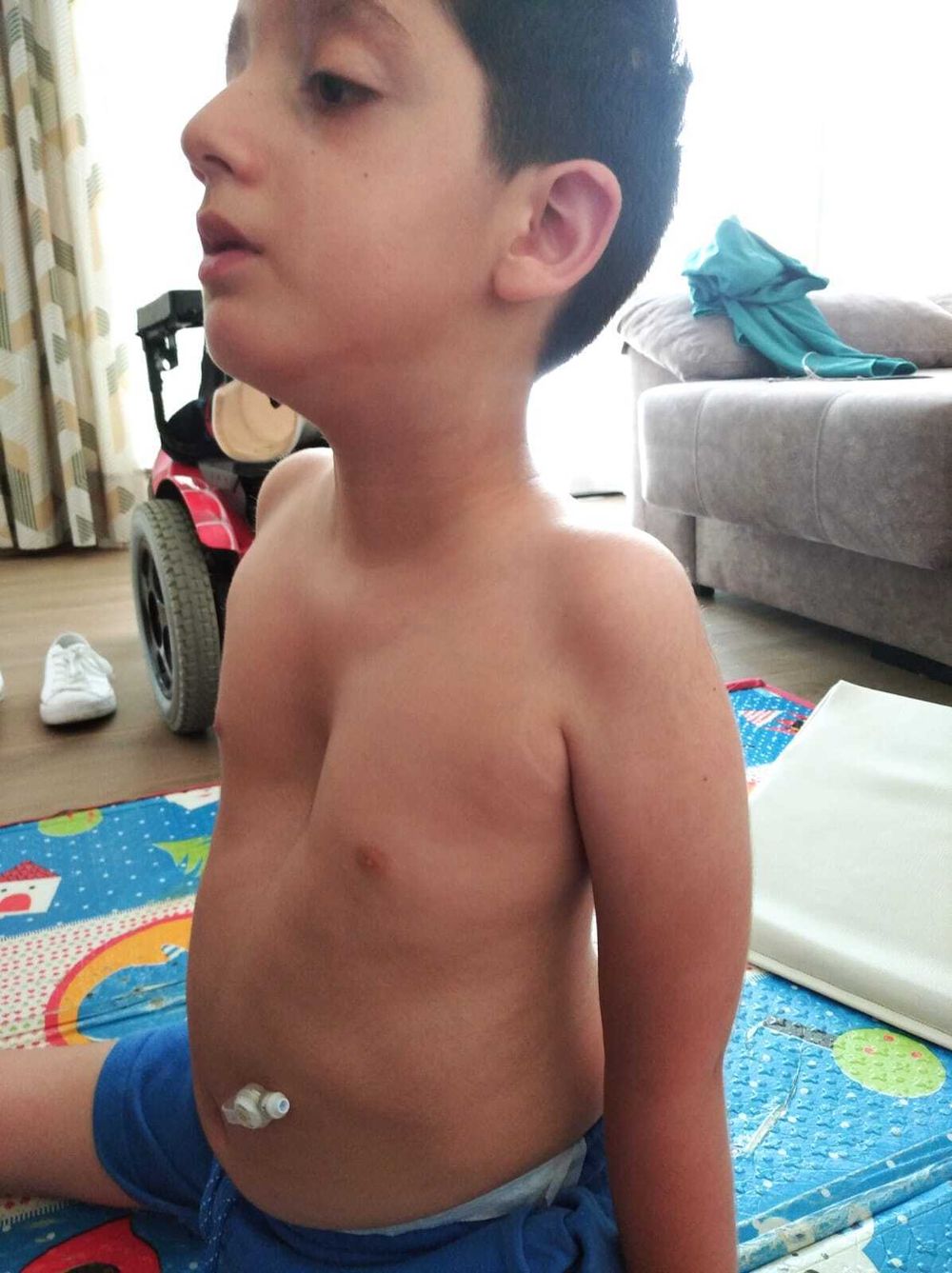
Chest drawn upward — narrow ribcage, weak abdominal space.

Flattened diaphragm — breathing pulls the stomach upward instead of pressing downward.
What You May Already Notice in Your Child
You’ve just seen how reflux in cerebral palsy begins with breathing itself —
not in the stomach, but in the way the chest, ribs, and diaphragm move.
You don’t need a medical eye to see it. The body itself is already showing how it’s trying to hold on.
These are not random postures. They are adaptations , the ways your child’s body finds to stay alive, to keep breathing, to feel safe.
When you look at these photos, you may recognize the same patterns in your child:
- A belly that leads the breathing, pushing forward while the ribs stay high.
- A ribcage that narrows or tilts forward, losing its roundness.
- A flat or lifted upper chest, working instead of relaxing.
- A long, stretched trunk that looks upright but lacks inner fullness.
Each of these shapes tells the same story:
The diaphragm is no longer pressing downward — it’s being pulled upward with every breath.
That’s how reflux begins. From the inside out.
These are not faults. They are the body’s best survival strategies.
Once you understand them, you can start helping the structure — not fighting the symptoms.

Why These Structural Patterns Create Reflux in CP
Reflux in cerebral palsy is not driven by stomach acid.
It begins in the breathing geometry — in the way the diaphragm is pulled, not pushed.
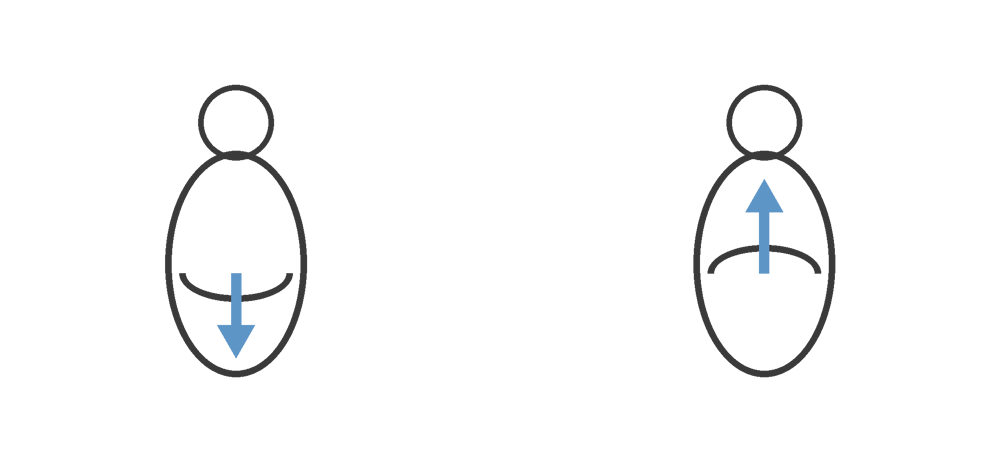
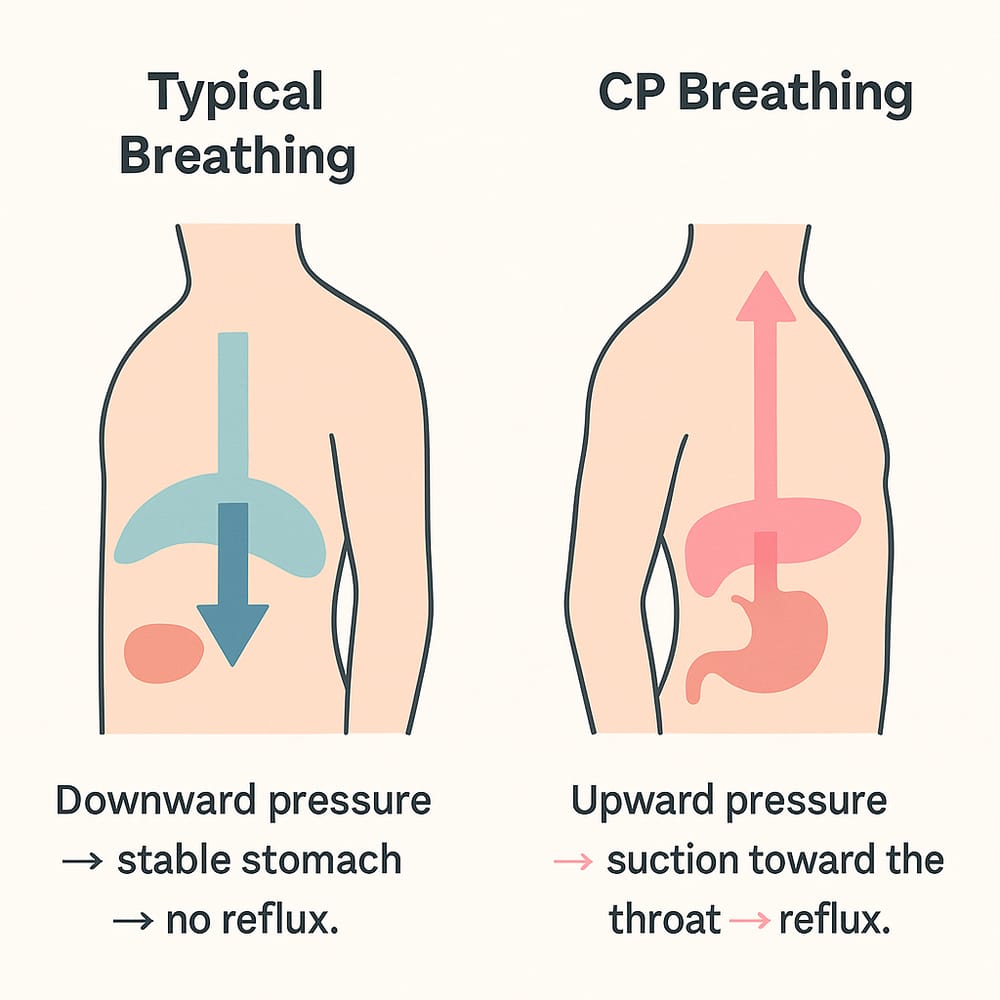
In typical breathing, the diaphragm descends like a soft piston:
- it expands the ribs,
- pressurizes the abdomen,
- and keeps the stomach contents comfortably sealed.
But in CP breathing, the diaphragm cannot descend.
Each breath lifts the ribs and chest upward, pulling the diaphragm with it.
This reverses the pressure system:
- Downward support disappears.
- Upward suction replaces it.
- The esophagus loses its natural closure.
Once downward pressure is lost, the body has only one remaining option:
breathing becomes an upward vacuum.
This is why reflux in CP persists even with:
- perfect diets,
- careful upright feeding,
- medications,
- or even anti-reflux surgery.
It is not the stomach misbehaving.
It is the breathing engine working in reverse.
Typical Breathing vs CP breathing
The good news
These breathing + ribcage patterns are changeable.
And they are changeable at home, gently, with small daily steps.
Over the past 25 years, families across Europe, Asia, and the Americas have used gentle, low-force ABR kinetic techniques to:
- Reduce reflux episodes
- Calm the breathing rhythm
- Improve digestive comfort
- Increase feeding confidence
- Reduce night distress
This is exactly what Cerebral Palsy Reflux — Made Easy teaches you to do.
Why the Throat Becomes
the “Weak Link” in CP Reflux
Breathing in Cerebral Palsy is not only a chest-rib-diaphragm problem.
It also forces the upper airway — the throat — into the role of stabilizer.
When the ribs narrow and lift, and the diaphragm loses its downward anchor, the body searches for another point to “lock” against gravity.
That point often becomes the throat.
What happens inside:
- The muscles of the upper airway tighten to hold posture when the chest cannot.
- The tongue and hyoid are pulled upward instead of resting downward.
- The esophageal entrance becomes mechanically stressed — squeezed from above, instead of supported from below.
- The swallowing–breathing rhythm loses its internal spacing. Every inhale pulls upward through the throat instead of expanding downward into the torso.
What happens inside:
This upward tension acts like a reverse pump.
Instead of breath settling the stomach contents downward, the throat becomes the “traction point” that lifts everything upward — including what should stay in the stomach.
Because pressure no longer moves downward, the throat becomes the emergency pressure-release valve.
This is the hidden structural contributor to CP reflux:
the throat is overworking to compensate for a collapsed torso.
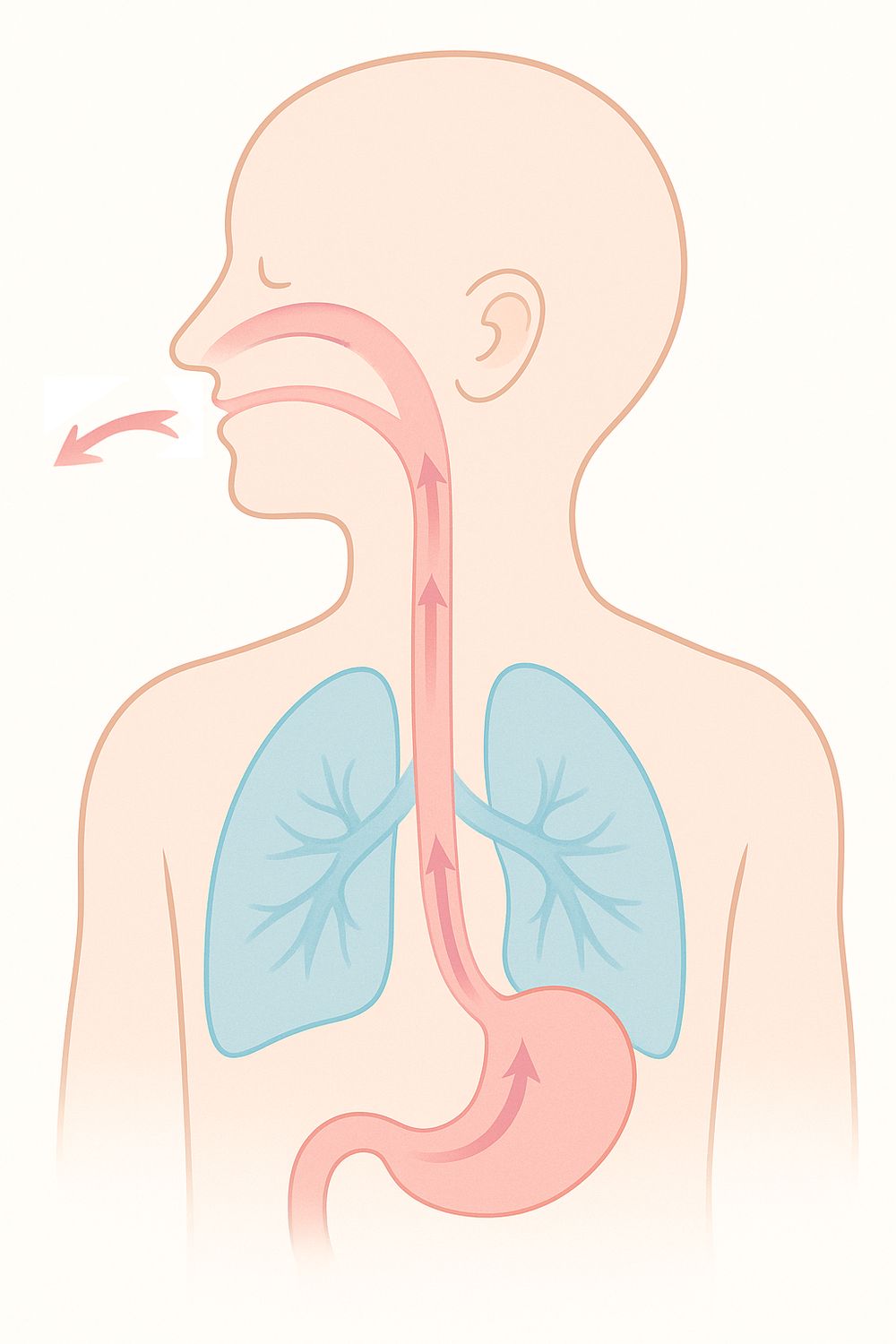
When the diaphragm stops anchoring from below, the throat must close from above.
But in CP, it doesn’t — it stays open.
And with every breath, the body pulls the stomach upward…
…all the way to the mouth
The 12 Structural Patterns Behind CP Reflux
Reflux is not a stomach disorder.
It is a structural breathing disorder — expressed through the chest, ribs, diaphragm, and abdominal pressure system.
Each of these 12 patterns weakens the diaphragm’s ability to descend and seal the esophagus.
Each one contributes to upward suction with every breath.
Together, they create the perfect environment for reflux to become inevitable.
1. Upper Chest Lifts Up to Breathe
The chest rises as a single block instead of widening and relaxing.
This upward pull drags the diaphragm with it — creating a vertical breath that pulls stomach contents toward the esophagus.

2. Ribcage Narrowing
The side-to-side dimension collapses.
The diaphragm loses its lateral anchoring.
Breathing becomes a vertical suction pump instead of a radial stabilizer.

3. Forward Rib Tilt
The ribs lean forward instead of resting on the diaphragm’s dome.
This changes the diaphragm’s angle and removes gravity’s natural containment of stomach contents.

4. Belly Leads The Breath
The abdomen becomes the prime mover of breathing.
The diaphragm softens and loses its ability to press downward.
Upward suction replaces downward pressure — breaking the LES valve’s defense.

5. Pectorals Used As Respiratory Lifters
The chest is hauled upward by the shoulder-chest muscles.
Each breath becomes a lifting motion instead of an expanding motion.
This vertical bias amplifies upward traction on the stomach.

6. Lower Ribs Flare Outward
The rib edges rotate outward, losing their seal with the abdominal wall.
A flared rib cannot stabilize the diaphragm — the whole system leaks upward.

7. Sternum Elevation & Tight Upper Line
The sternum rises like a shield.
This upward pull stiffens the upper airway and forces the diaphragm into a vertical, inefficient breathing axis.

8. Collapsed Diaphragm Dome
The diaphragm loses its dome shape and flattens prematurely.
A flat diaphragm cannot generate downward pressure — only upward vacuum.

9. Long, Stretched Trunk Without Internal Fullness
Externally long, internally empty.
The torso elongates rather than inflates, removing the counter-pressure that should keep the stomach contents down.

10. Weak Abdominal Containment
The abdominal wall no longer acts as a stabilizing cylinder.
Breathing pressure disperses outward instead of downward — destabilizing the diaphragm and the LES.
11. Upward Neck Reach / Throat Opening
The neck extends upward to assist breathing.
This opens the upper esophageal sphincter — turning the throat into the emergency air-pressure valve.
Once this happens, reflux enters through every breath cycle.
12. Asymmetric Breathing Patterns
One side lifts, one side collapses.
This asymmetry twists the diaphragm, creating diagonal suction forces that pull gastric contents upward toward the mouth.

Why this matters
When these patterns stack together: Every breath creates upward pull instead of downward support.
This is why reflux persists — even with:
- Good diet
- Positioning
- Medication
- Or Surgery
The body is not failing — it is adapting.
Bad News → Good News → Even Better News
Bad News
There isn’t just one cause of your child’s reflux. It’s not a single muscle to strengthen. Not a food to remove. Not a medicine to add.
CP Reflux is the result of many small adaptations the body uses to:
- Breathe
- Stay upright
- Stay calm
- Survive
Your child’s body is not doing anything wrong. It is doing the best it can with the support it has.
But yes — this means reflux does not simply “go away with time.” And that is heavy. We see you.
Good News
All of these breathing and ribcage patterns are changeable. Not instantly. Not by force. Not through effort.
But through gentle, daily support that:
- Re‑balances breathing
- Gives the diaphragm something to push against
- Reduces upward suction
- Helps the LES hold comfortably
This is not about “training.” It is about giving the body what it has been missing.
And that is possible at home.
Even Better News
You do not have to figure out any of this alone.
Over the past 25 years, we have helped families across the world:
- Understand their child’s breathing patterns
- Support gentle chest and diaphragm lift
- Reduce reflux through ease, not effort
We took everything that works — the most doable, gentle, and calm methods — and organized them into a clear, step‑by‑step home program.
That program is what you are about to learn.
The Three Program Levels
We offer three starting points — so every family can begin without pressure.
Level 1 — Universal Starter Program
A simple, gentle set of daily techniques that fits almost every child with CP.
- Short sessions (2–6 minutes)
- Clear demonstration videos
- No special setup required
This level is where most families begin.
Level 2 — Reflux‑Focused Support Path
For families who want more personalization. We help you identify your child’s specific breathing + ribcage patterns and adjust accordingly.
This includes:
- Customized guidance
- Position adaptations
- Support for feeding and sleep routines.
Level 3 — Comprehensive Individual Program
This is the full personal ABR support path. We work closely with you to address not only reflux — but sitting, breathing, posture, and movement.
This level is for families who want whole‑body change, step by step, over time.
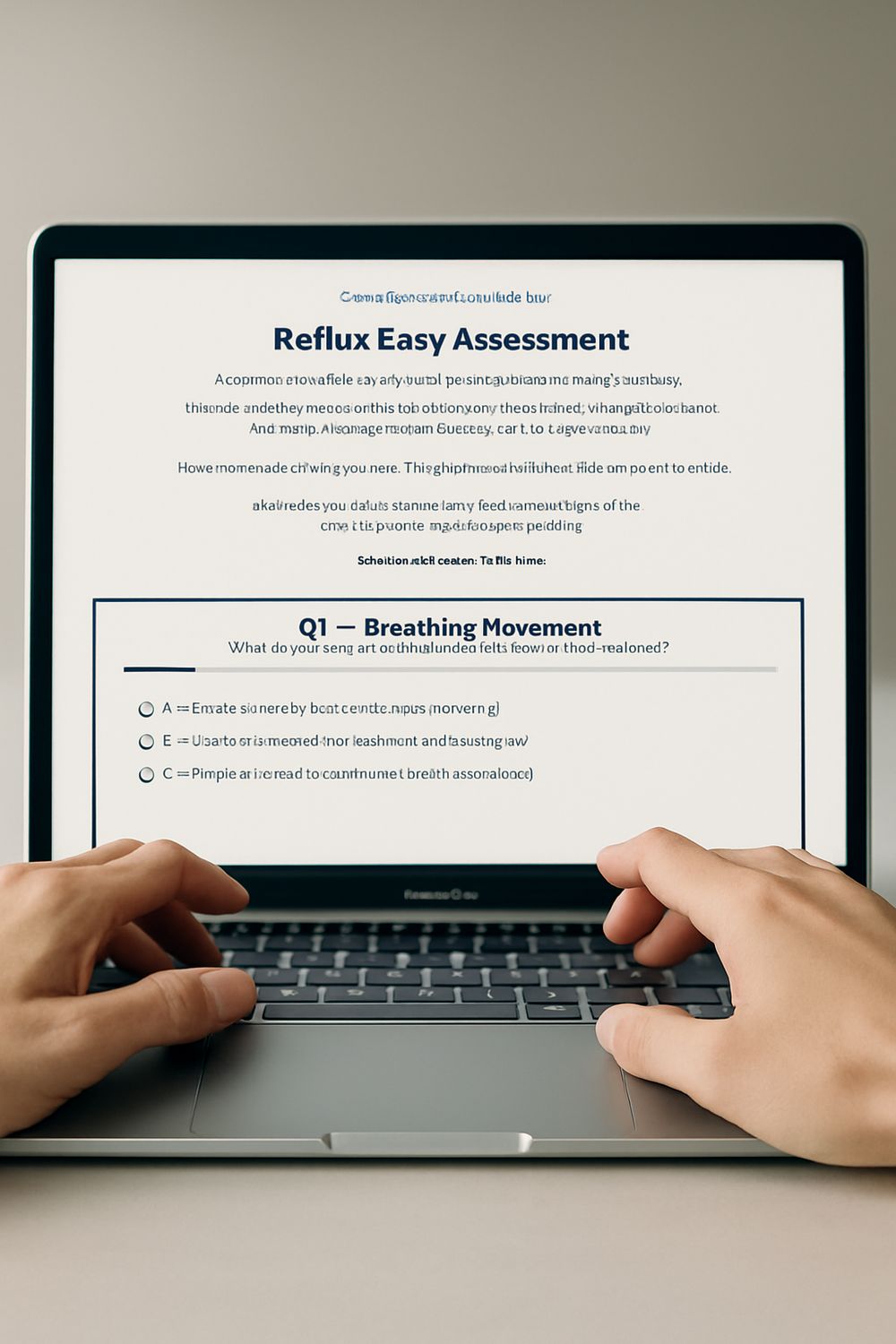
Before We Go Further,
Let’s Look At Your Child
Every child with CP breathes and stabilizes differently.
Understanding your child’s breathing + ribcage pattern makes everything clearer.
This quick 3–5 minute self-assessment helps you see:
- Where breathing is happening (upper chest, ribs, belly)
- Whether the diaphragm is pushing downward or being pulled upward
- If “upward suction” is contributing to reflux
- Which starting level (1, 2, or 3) is the best fit
No photos.
No measurements.
No pressure.
Just clarity.
*(You’ll immediately see your recommended starting path — simple and clear.)
What Changes First
Not milestones. Not posture
Tone
Before
- Feeding feels tense and effortful
- Breathing is high and fast
- Child arches, strains, or lifts upward
- Parents feel like reflux “just happens” unexpectedly
After
- Feeding feels slower, softer, steadier
- Breathing has longer, calmer exhale
- Body settles with more ease and space
- Parents understand how to reduce the triggers before they happen

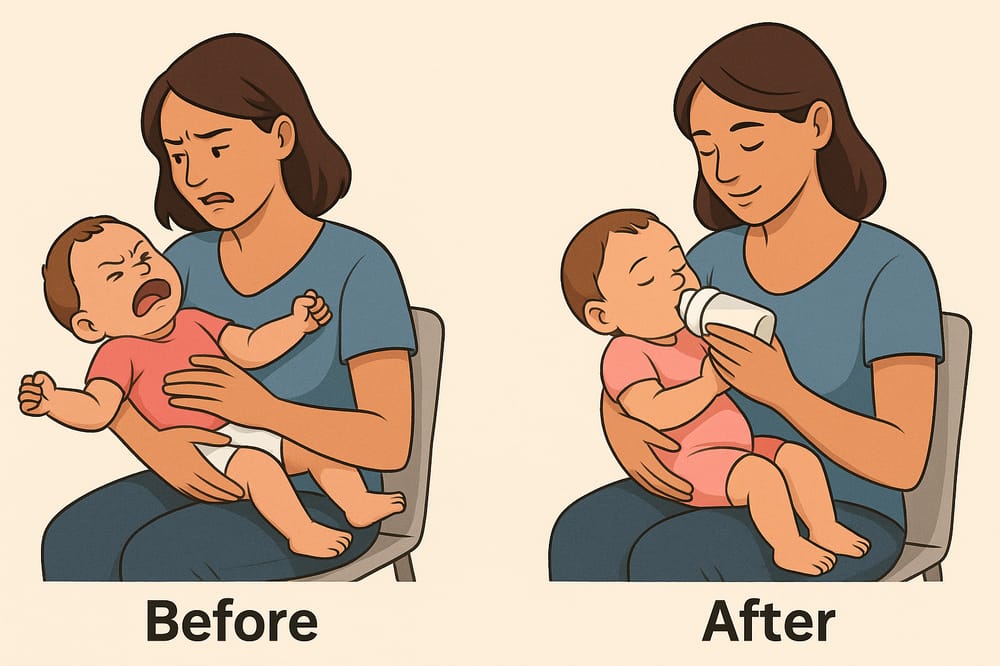
This is what changes first.
Tone → Ease → Comfort → Confidence.
And once the body feels safer, reflux becomes:
- less intense
- less frequent
- less disruptive
This is the foundation of Cerebral Palsy Reflux — Made Easy.
What you Get Inside
Everything is taught in small, gentle steps you can begin at home — right away.
You will learn how to:
- Apply the microphone percussion tool in a soft, comfortable way
- Use foam layers to help the body feel more supported
- Create calmer feeding and resting positions
- Support breathing stability without forcing effort
- Use the tools at the best times for digestive comfort
- Know exactly how long to do each exercise
- Adapt gradually — building comfort over time
This course is part of the Easy Basic Rehabilitation (EBR) family:
Gentle. Logical. Empowering.
No pressure, no stress, no forcing. Just intelligent structural work, made simple — for real results.
What's included
- Step-by-step demonstration videos (2–6 minutes each)
- Daily micro-sessions that fit real life
- Positioning & feeding guidance
- Clear signs of progress (what changes first)
- Lifetime access to lessons & updates
Daily time: 5–12 minutes
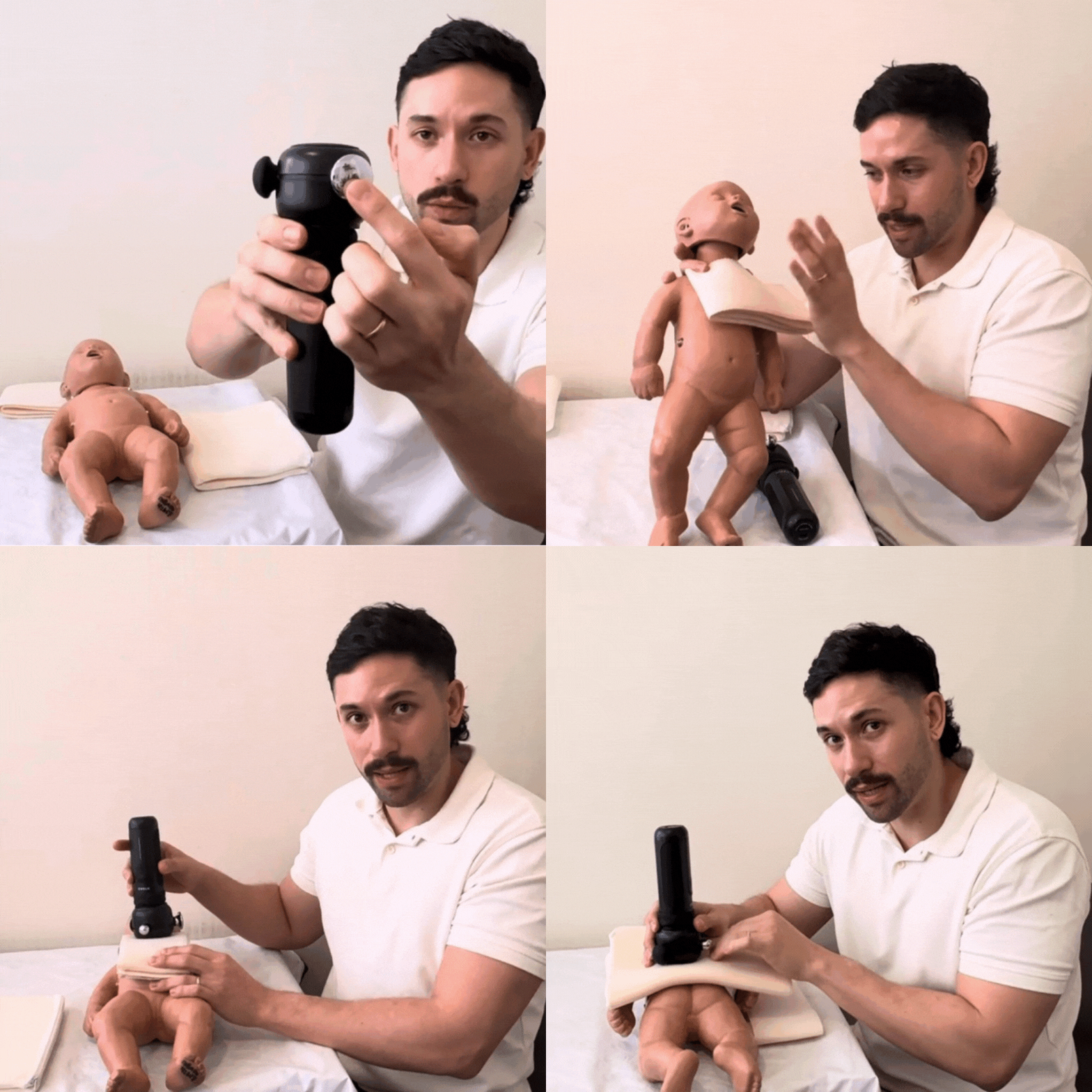
Our instructor Mauricio shows how to apply the microphone massage tool over the diaphragm — gently and effectively.
What Families Are Saying
“For years we were told that reflux was ‘just part of CP.’
We tried formula changes, medication, keeping her upright for an hour after every feed…
Nothing truly changed.
What helped us was understanding why her body was doing this in the first place.
Once we could see her breathing pattern, everything made sense.
The gentle exercises from this program were surprisingly easy to fit into our routine.
It’s not about forcing her to work — just supporting her body in a softer way.
Now she eats more calmly, she sleeps longer, and she doesn’t cry after feeding anymore.
I feel like I finally understand my child’s body — and how to help her.”
Socorro. Mother of Julia
Spain
This is the experience we want for you:
- Understanding instead of guessing
- Calm instead of fear
- Small steps that create real change
No pressure.
Start With What Feels Doable
Most families begin with Level 1.
It’s simple, calm, and helps your child feel safer and more comfortable during feeding and rest.
You can begin gently — without pressure and without needing to “be sure” you’re doing everything perfectly.
Level 1 — Gentle Reflux Support Program
499 USD / 450 EUR
You’ll get:
- Short step-by-step teaching videos (2–6 minutes each)
- Clear daily micro-sessions you can fit into real life
- How to create calmer feeding & resting positions
- How to support breathing without effort
- Progress markers (what changes first — and why)
- Lifetime access to lessons & updates
Time needed per day: 5–12 minutes.
Your child does not need to perform or "try hard."
You are supporting comfort, not effort.
No pressure, no stress, no forcing. Just intelligent structural work, made simple — for real results.
Not sure if Level 1 is the best fit?
That’s completely normal. Every child’s breathing + ribcage pattern is unique.
Our 3-minute Self-Assessment helps you see:
- Where your child’s breathing is happening
- Whether upward suction is contributing to reflux
- Which starting level (1, 2, or 3) is the best and gentlest match
No photos, no measurements. Just clarity.
📩 Questions or Ready to Join?
Contact Manuel for more information:
📧 manuel@abrhispano.com
📞 WhatsApp: +34 644 919 805
TESTIMONIALS
Proven Outcomes

"We began ABR due to a hip subluxation that has not progressed thanks to ABR. He has corrected his sitting posture a lot. He has greater arm agility. His body structure has developed very positively;
In 3 years, he has become a different boy. He is more participative and confident when interacting with people"
TEAM FRANCISCO, MEXICO

"We have always been proud of our daughter's progress, but listening to ABR's team comments, we understood many things about her body and found a non-invasive option to improve it.
Before ABR, Ammi couldn't move from lying down to kneeling, and within 3 months, she did it, showing greater neck and back firmness."
TEAM AMMI. MEXICO
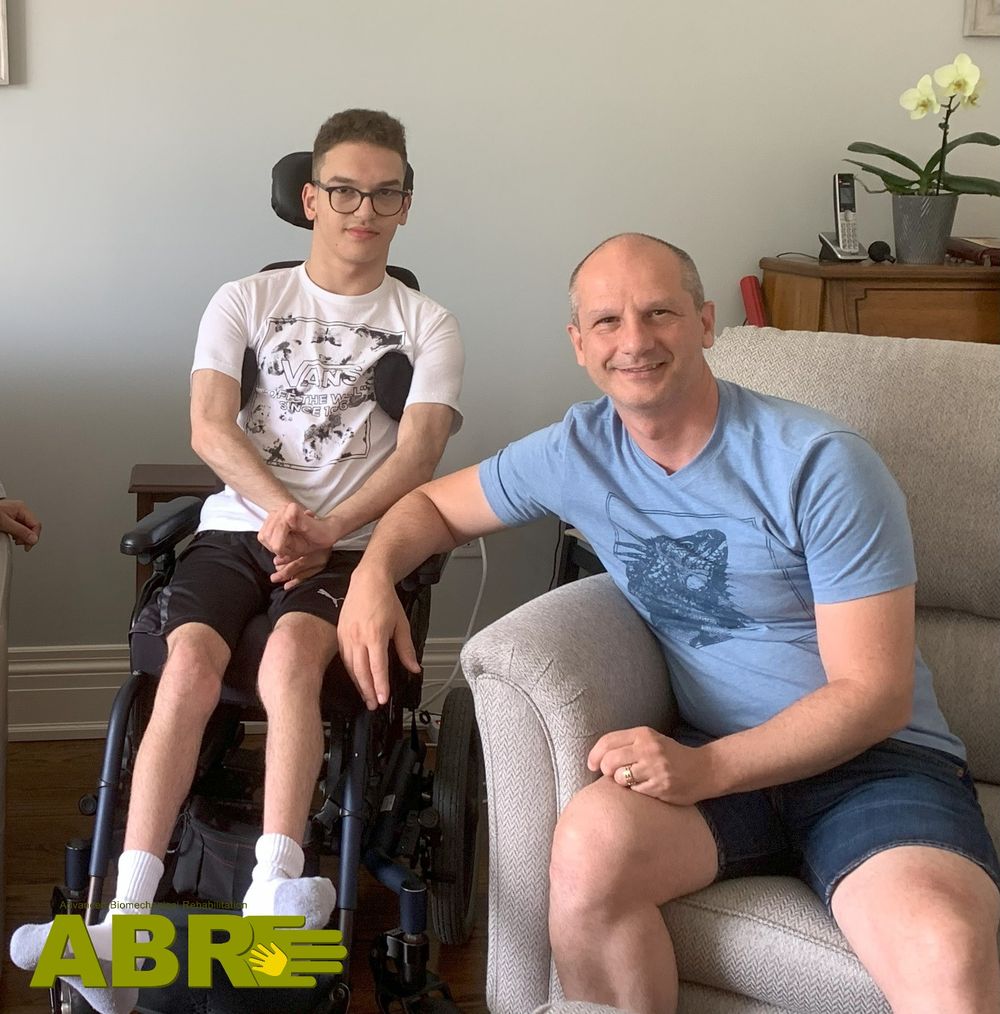
"We have been practicing ABR for 12 years and recently experienced the online training session. It was a relief not to travel and still get high quality training. Sending videos, getting an analysis video from Leonid, receiving a powerpoint with exercises, followed by online live training with an experienced practitioner was the right combination for us."
TEAM CHRISTOPHER, CANADA
PAGES
SOCIAL
